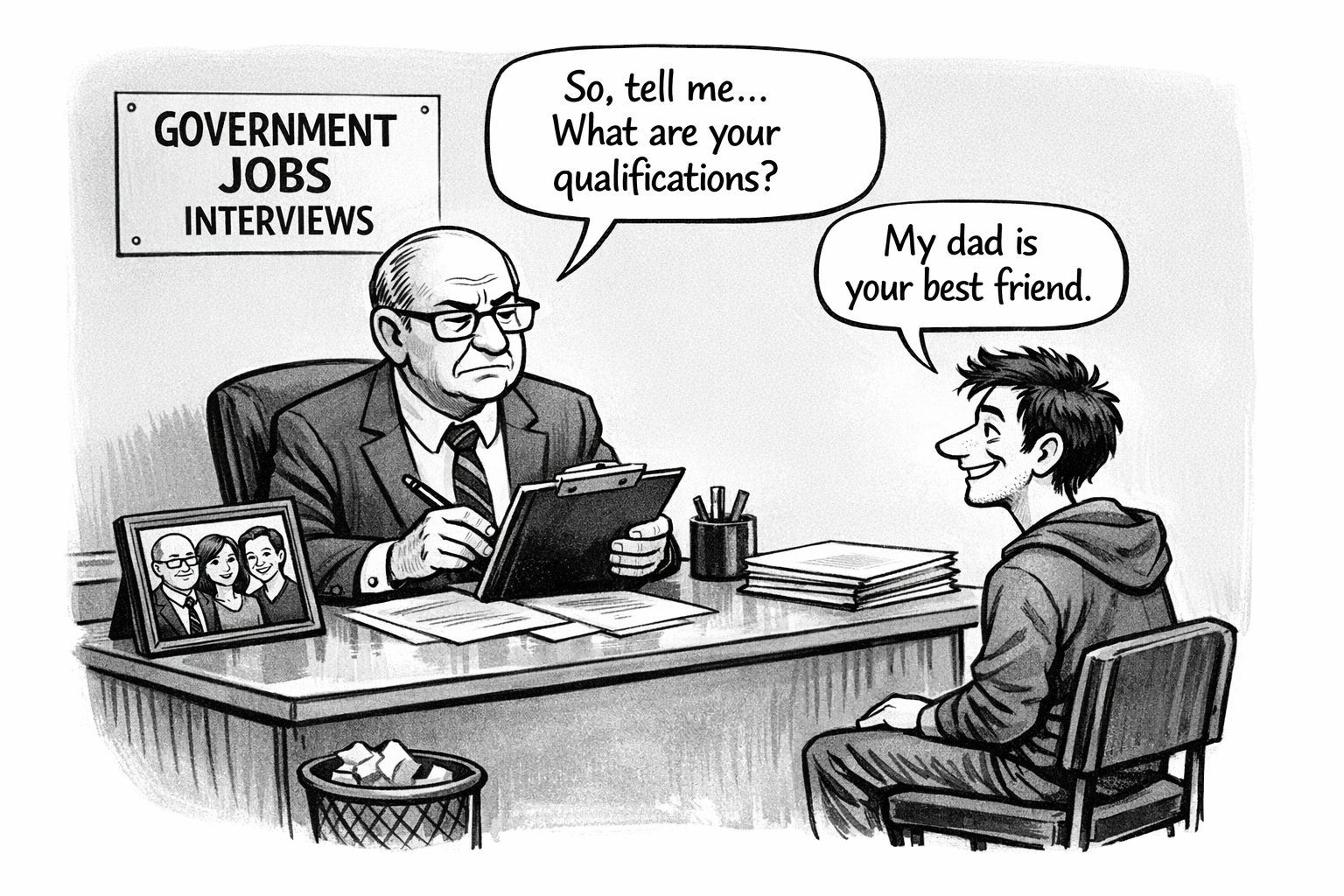
Breaking the Cycle: How Affiliation Over Merit Holds Back Southwest Virginia
Southwest Virginia is a region rich in history, culture, and potential. Yet, despite its strengths, many counties across the area continue to struggle with stagnation in leadership and development. A major factor contributing to this issue is the persistent tendency to make decisions (especially in hiring and appointments) based on affiliation rather than knowledge, experience, or merit.
The Grip of Affiliation-Based Leadership
In many localities, leadership positions are filled not through open competition or demonstrated qualifications, but through long-standing networks of personal and political connections. This pattern extends beyond county government offices and into school systems, advisory boards, and other public institutions. The result is a cycle where the same individuals, or those closely tied to them, continue to occupy positions of influence.
This “good ole boys” system, as it is often called, prioritizes loyalty and familiarity over innovation and expertise. Qualified individuals who could bring fresh ideas and modern solutions are frequently overlooked simply because they are not part of the established circle. This exclusion not only discourages civic participation but also deprives communities of the talent and energy needed to move forward.
The Cost of Doing Things the Same Way
Continuing to operate under the same patterns of favoritism and affiliation has real consequences. When leadership is chosen based on who someone knows rather than what they know, progress stalls. Economic development opportunities are missing, educational systems remain outdated, and public trust erodes.
Communities that cling to outdated practices risk falling further behind in a world that is rapidly changing. Growth requires adaptability, creativity, and a willingness to embrace new perspectives – qualities that cannot thrive in an environment where leadership is recycled through the same narrow channels.
The Case for Self-Imposed Term Limits
One of the most effective ways to break this cycle is through leadership renewal. While Virginia counties cannot unilaterally impose term limits on elected officials, individuals who seek these positions can take the initiative to set term limits for themselves. By committing to serve for a defined period, leaders can demonstrate accountability and a genuine desire to foster progress rather than personal power.
Self-imposed term limits encourage fresh leadership, new ideas, and broader community involvement. They also send a powerful message that public service is about contribution, not control. When leaders voluntarily step aside after a reasonable term, they create space for others to bring new energy and perspectives to the table.
Objectivity in Hiring
Objectivity in hiring is crucial for building a successful and ethical organization. Hiring unqualified friends, family, or special acquaintances poses significant risks, including decreased productivity, compromised team morale, and potential legal liabilities. Ethically, such practices undermine fairness and equal opportunity, creating a biased environment that hinders talented individuals. Adopting fair and merit-based hiring practices ensures that the most qualified candidates are selected, fostering transparency, trust, and a culture of excellence.
Moving Toward a Merit-Based Future
For Southwest Virginia to thrive, it must move beyond the comfort of affiliation-based decision-making. Counties, school systems, and boards should prioritize qualifications, experience, and vision when selecting leaders and employees. Transparent hiring processes, open calls for board appointments, and community engagement in decision-making can help dismantle the entrenched systems that have held the region back.
Progress begins when communities value competence over connections. By embracing merit, encouraging leadership renewal, and fostering inclusivity, Southwest Virginia can unlock its full potential and build a future that reflects the strength and diversity of its people.