
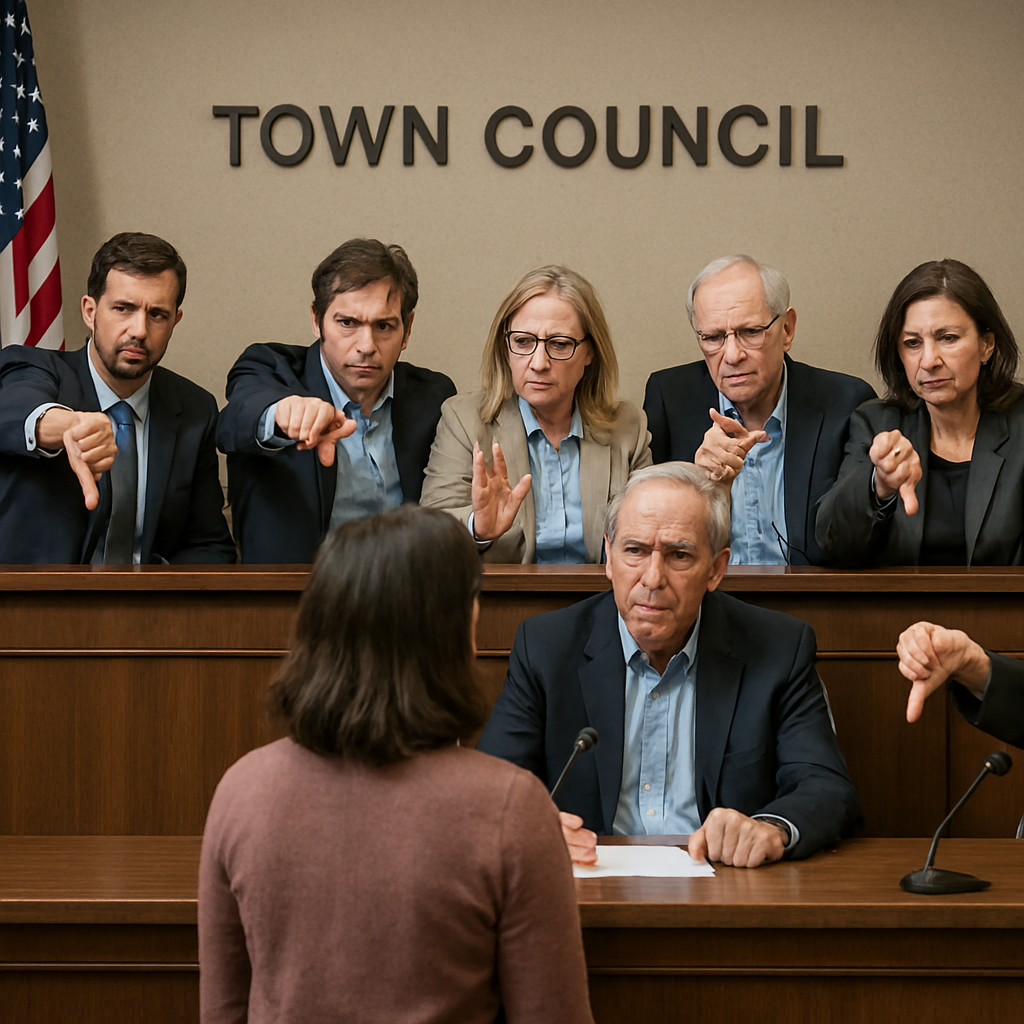
The Marion Town Council’s Tuesday meeting on August 4 ended with a revealing exchange among council members—one that has since drawn public scrutiny after being caught on a live broadcast.
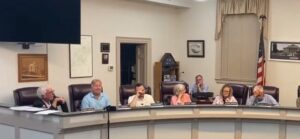
After returning from closed session late into the evening, the council reconvened briefly in open session as they are required to do. By that time, the room appeared largely empty of visitors. Council members, perhaps unaware that cameras and microphones were still live, engaged in informal and unscripted commentary, some of which has raised eyebrows among residents and prompted broader discussion about the tone, credibility and professionalism of the council.
The dialogue resumed with Councilman Hunter Atwell making a motion to send a recommendation to the Sanitation Committee regarding Zoning Official Todd Long’s suggestion to explore the feasibility of transitioning to Toter-style trash cans for town sanitation needs. Councilwoman Susie Jennings seconded the motion, adding, “That’s a good idea.”
Councilman Larry Carter, who has been outspoken about the trash ordinance, shifted the topic with an anecdote about visiting Nashville, remarking that he observed “a lot of skinny trash collectors and those things are monsters,” referring to the Toter cans.
Jennings inserted that the cans would be lifted by the truck. Carter responded by recounting the need to manually move trash cans closer to trucks in some cases and said, “I tell ya what, I wouldn’t want to do it. I’d just as soon put up square bales of hay all day because those things were jam packed down there.” Even after the lift mechanism was explained, Carter continued to voice concerns about maneuvering cans through narrow alleyways, adding, “because they are like us, they can’t get the trash truck in there.”
Vice Mayor Jim Gates chimed in, noting specific locations such as Cemetery Street that already require a pickup truck due to inaccessibility by standard trash trucks.
Town Manager Billy Hamm emphasized the need for flexibility, saying, “we need to try to make concessions for people who aren’t physically able to handle trash cans.” Carter, in a dismissive tone commented “Don’t they have a family member or something? Why all of a sudden? I would think somebody could get the trash out.” This remark is drawing attention for its insensitivity, especially considering the town’s aging and disabled population which was the subject of data presented earlier at the meeting during public comment.
The discussion veered further when Tricia Spencer, offered a pessimistic take on whether trash cans would help at all, stating, “The people who have problems with trash aren’t going to have their problems solved by trash cans. They’ll steal trash cans, won’t bring them back, won’t put trash in them—it won’t solve our problems.”
Carter then shifted focus, expressing resentment toward the public and their “tenor at recent meetings.” Referring to an earlier unannounced presentation of a framed resolution in the meeting that commended Mayor Avery Cornett’s service, Carter said, “I’d give it back,” referring to the citizen-drafted resolution recognizing the mayor’s service.
That statement was met with laughter—many found to be inappropriate and unprofessional—from Susie Jennings and Tricia Spencer, along with an audible snort followed by more laughter from Hunter Atwell. As the tone of the conversation unraveled, Mayor Cornett reminded the council, “You know what, you’re on live.” He quickly called for a vote.
As the motion passed to refer the feasibility of Toter trash cans to committee, Spencer made a motion to leave while already walking out of the room, her back to the camera and hand raised. This was seconded and the meeting was then adjourned.
This segment of the meeting is publicly viewable on the Town of Marion’s official YouTube channel at https://www.youtube.com/watch?v=9BOq03iObVs, beginning at the 3:58:09 timestamp.
https://www.youtube.com/watch?v=9BOq03iObVs
Within less than a 24 hour period, a screen-recorded clip of the exchange began circulating on social media, garnering 480 views and reaching 375 people. The most notable public comment came from Attorney Paul Morrison III, a former candidate for Smyth County Commonwealth’s Attorney, who remarked, “Seems like the clip was edited.”
However, a review of the footage confirms that the shared clip was not edited or altered in any way. The portion circulating online was screen recorded directly from the original YouTube broadcast. An audio glitch at 4:01:44, where the sound appears to skip, also exists in the original version posted by the Town of Marion. That glitch is verifiable by viewing the official source from the Town of Marion’s Youtube channel at the link provided.
The clip’s rapid spread and resulting discussion underscore the continued tension between citizens and council, as questions persist about transparency, responsiveness, and the tone of public service in Marion’s government.
As the public continues to watch—and record—local government in action, the final moments of the August 4 meeting may be remembered less for what was decided, and more for what was unintentionally revealed.
When elected officials publicly criticize or mock their constituents, the damage extends far beyond politics—it strikes at the heart of public morale. Citizens who take the time to attend meetings, voice concerns, or engage with local government do so because they care about their community. When their input is met with sarcasm, dismissal, or contempt, it sends a clear message: your voice doesn’t matter here. This seems to be the takeaway of a multitude of comments from the public concerning this meeting.

